WeChat Feature
Why Is Lord of Mysteries Confidently Promoting Itself as an MMO?
大力宣传MMO,《诡秘之主》游戏怎么敢的?
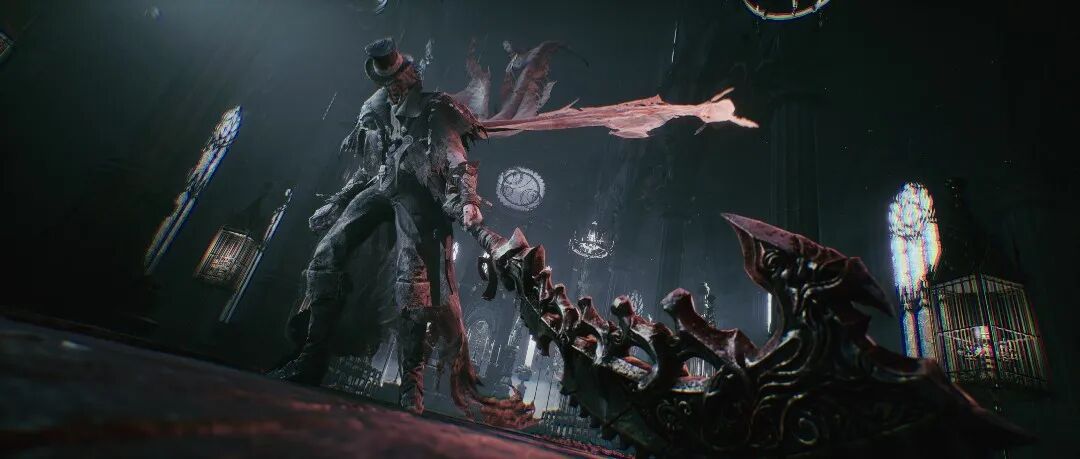
GameRes published a long-form article on June 26, 2026, the same day Lord of Mysteries opened its Gray Fog Test.
The central question is why the game is now openly and confidently marketing itself as an MMO, after years of secrecy and player concern that a traditional MMO framework might not fit Lord of Mysteries.

Why the MMO Label Became the Main Question
Lord of Mysteries is a milestone web novel with unusual subject matter and a distinctive combat system, so many readers naturally question whether an MMO can capture it. After the gameplay PV was released, players praised the audiovisual quality but also asked whether the MMO identity felt too conventional for such an IP.
After several hours of hands-on play, the game is indeed a fairly pure MMO in terms of structure. It has flashy combat effects, a low entry threshold, team dungeons, multiplayer conflict, and familiar MMO loops. However, stopping at the word MMO would miss many details that only a game adaptation can express.
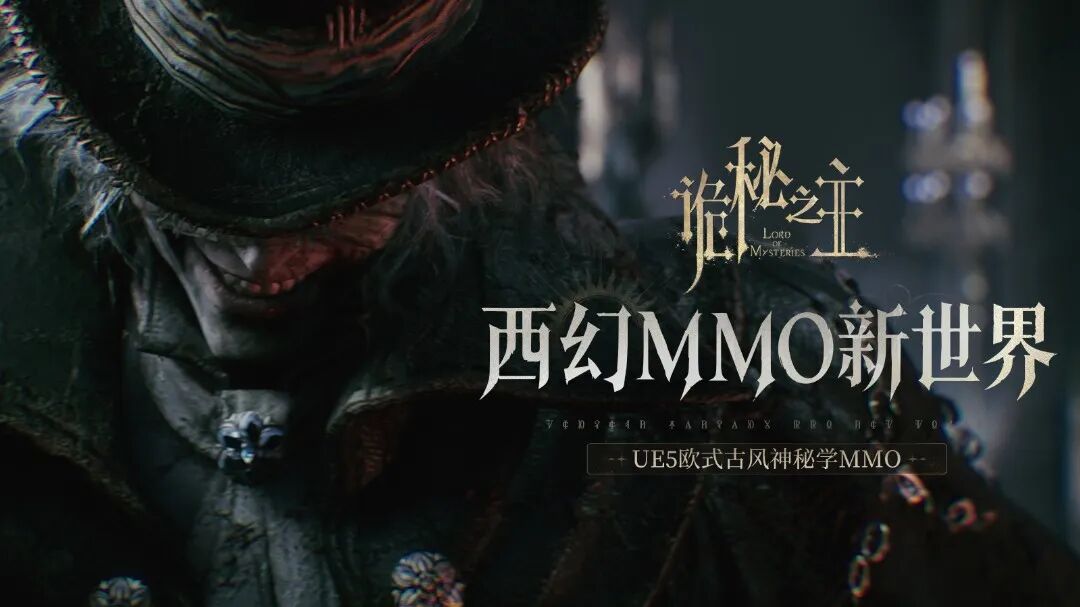
The official gameplay PV strongly emphasized the phrase 'Welcome to the new MMO world.' This matters because some players previously believed gameplay information was hidden out of concern that the MMO format would disappoint fans. The recent marketing points in the other direction: MMO is now a core selling point.
Development Scale and MMO Ambition
Recent China-side disclosures identify producer Xu Jie as a former director of Leihuo's Zhurong Studio and producer of Justice Online. The Lord of Mysteries project is also described as having 624 full-time developers and a reported development cost of more than 1 billion RMB.
From that perspective, this is one of the few domestic teams with the capacity to build a large-scale MMO. Recent official communication also highlights classic MMO elements such as guild wars, faction conflict, and thousand-player battlefields, describing them as difficult and expensive but still worth rebuilding.
The project is not avoiding MMO. Instead, it seems to be trying to make the MMO format feel valuable again through a special IP and a large production scale.

Combat, Contacts, and Sealed Artifacts
Many of the game's Lord of Mysteries-specific ideas only become clear during play. In combat, players can form connections through 'gaps in history' with different characters, including The Fool, members of the Tarot Club, and characters who have already exited the original novel's timeline. These contacts provide dedicated skills that can be used differently across Pathways and combat scenarios.
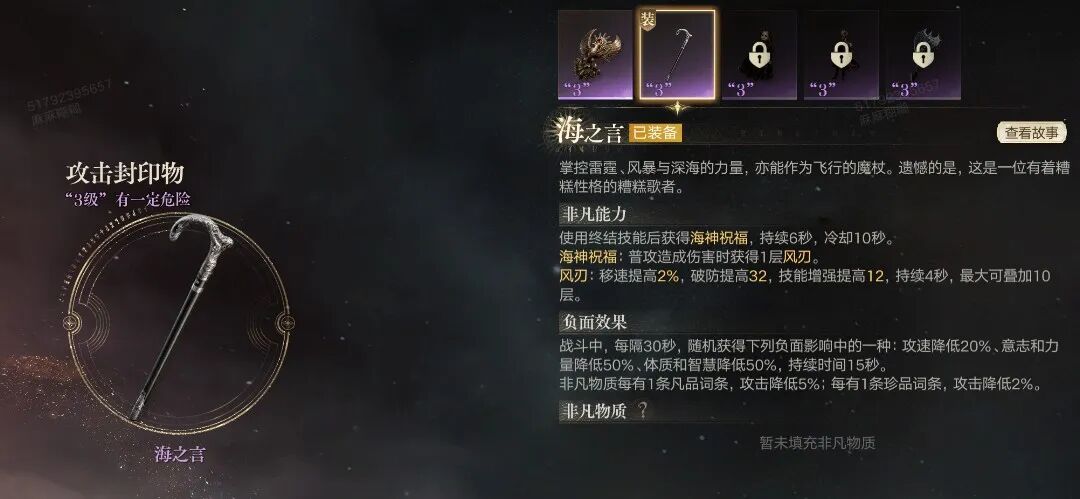
Sealed Artifacts are another important system. Their effects are not only numerical buffs or debuffs; different artifacts have distinct properties. Sea God's Scepter can grant a sea-god blessing, wind blades after normal attacks, movement speed, and armor-breaking bonuses. Justice Wallet improves damage reduction and defense as health drops.
Contacts and Sealed Artifacts both create familiarity for novel readers while adding variables to the basic MMO framework. Even the same Pathway can branch into different build styles depending on artifact choices.

PvP, Factions, and Seasonal World Stories
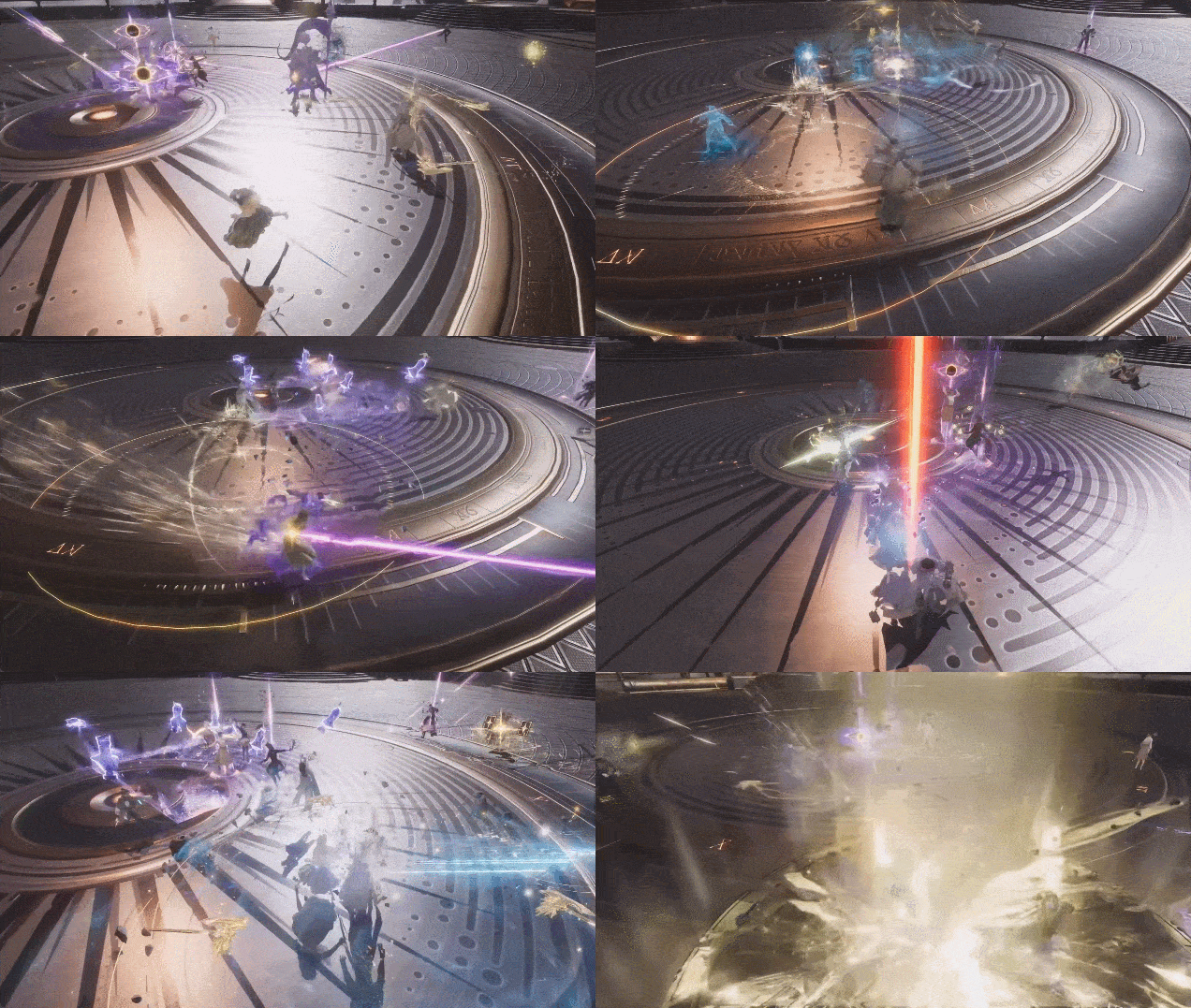
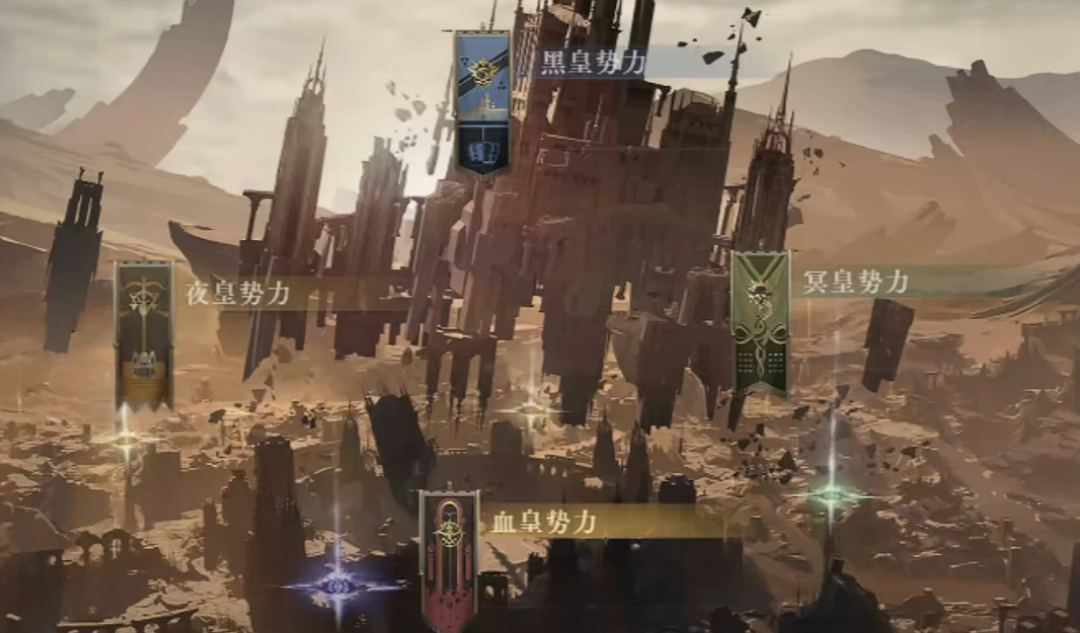
Multiplayer conflict includes several forms: 3v3, 6v6, and 12v12 team arena modes, large-scale chaotic battles involving hundreds of players, and strategic fortress attack-and-defense battles such as the War of the Four Emperors.
These modes connect to the original novel's world structure, where the Beyonder world is full of organizations, factions, cooperation, betrayal, and infiltration. An open MMO framework can help the game turn worldbuilding into playable perspective shifts rather than only exposition.
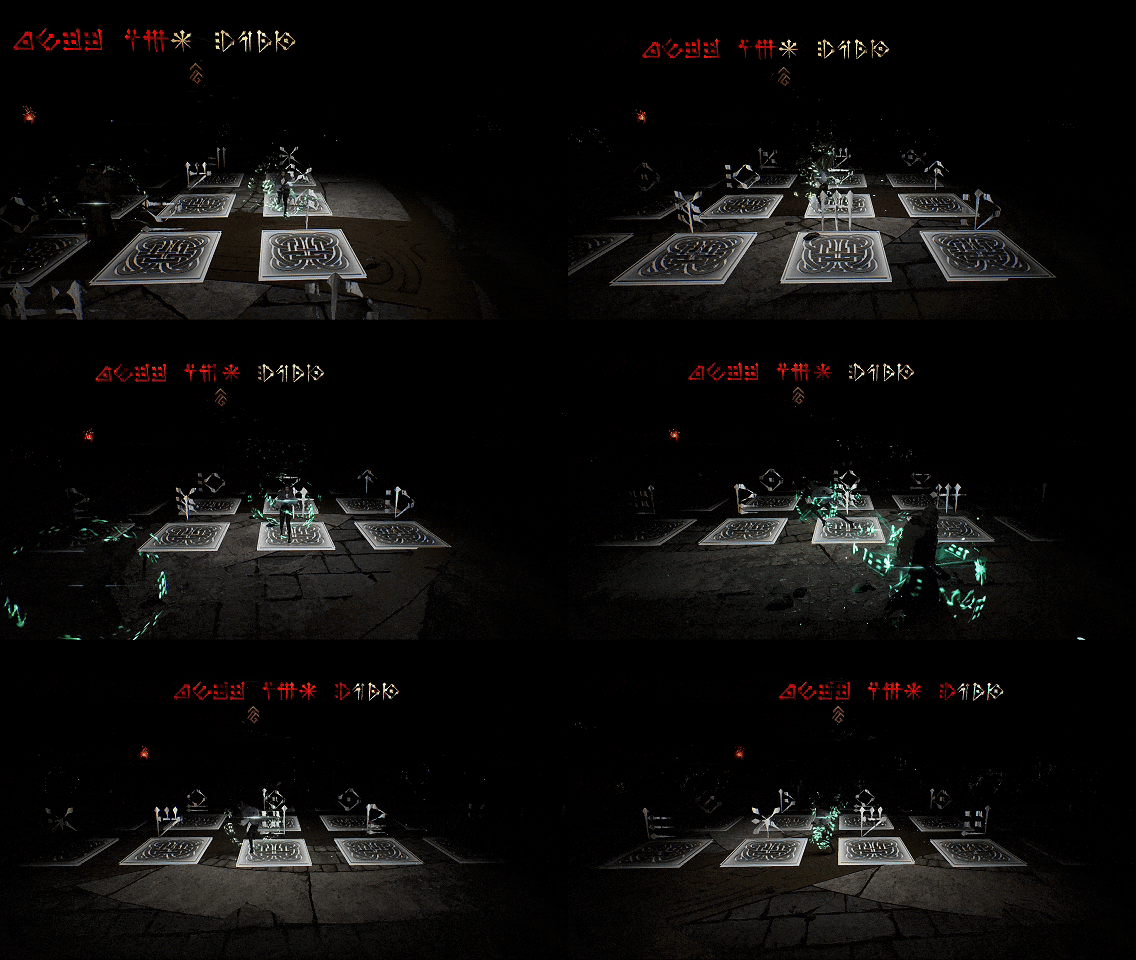
Lightweight dungeon mechanics teach setting details, such as the language system and different Pathway abilities. The game also uses a season-based operation model: every season has an independent world main story that players push forward together. The first season's world route involves Roselle the Great.
Adapting Low Sequences Into Playable Skills
The gameplay does not perfectly reproduce the novel. Instead, both the MMO system and the IP are mined so that they can fit each other as much as possible.
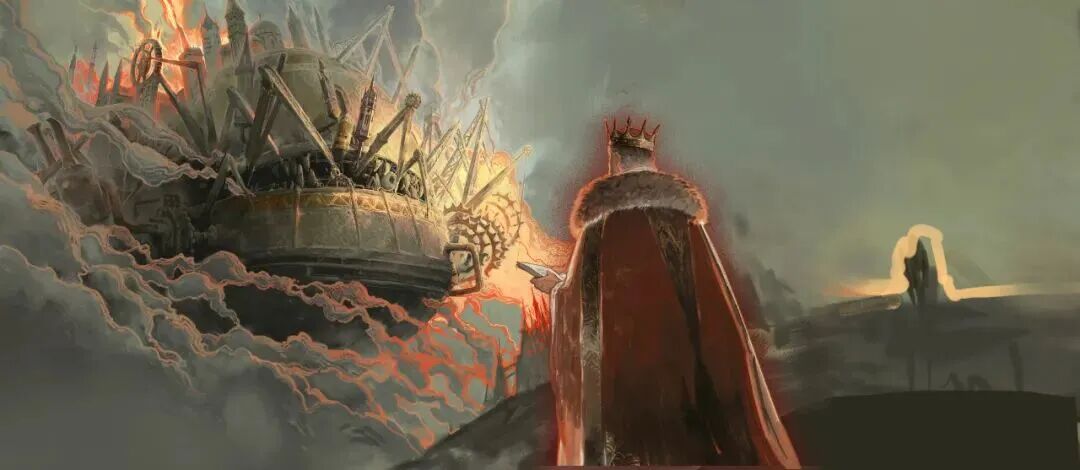
A key example is the handling of Sequence power. In the novel, Sequence 9 Beyonders are still close to ordinary humans, and low-Sequence fights can be relatively restrained. For a game, however, that would make early play less exciting. The game uses The Fool's intervention to 'graft' future-fate abilities onto players, allowing early characters to use more advanced-feeling skills, such as a Sequence 9 Spectator summoning a dragon.
This is a game-first adaptation choice: not a literal one-to-one reproduction, but a compromise that lets players feel the fun faster while still connecting to the setting.

European-Style Mysticism and the Two Faces of Tingen
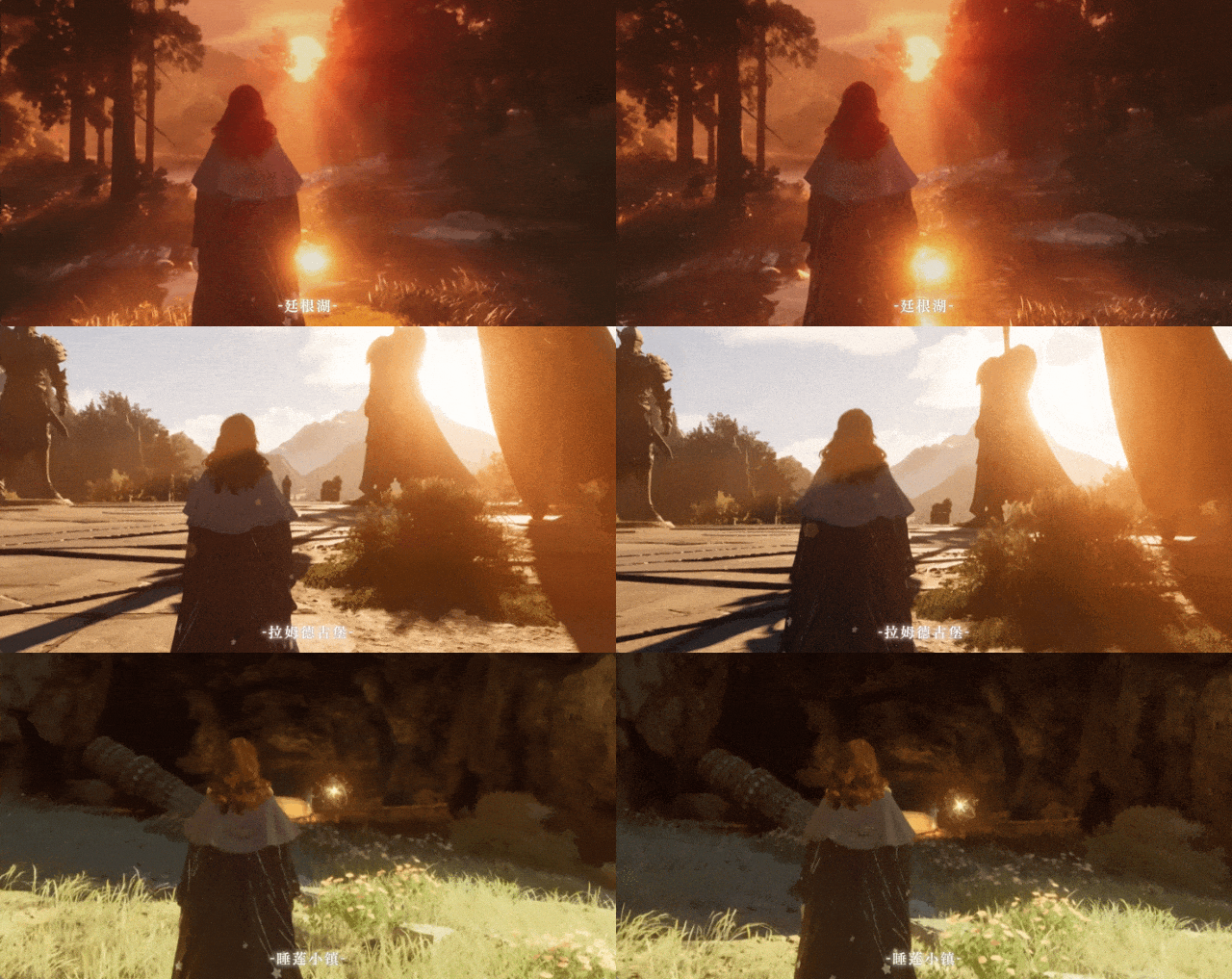
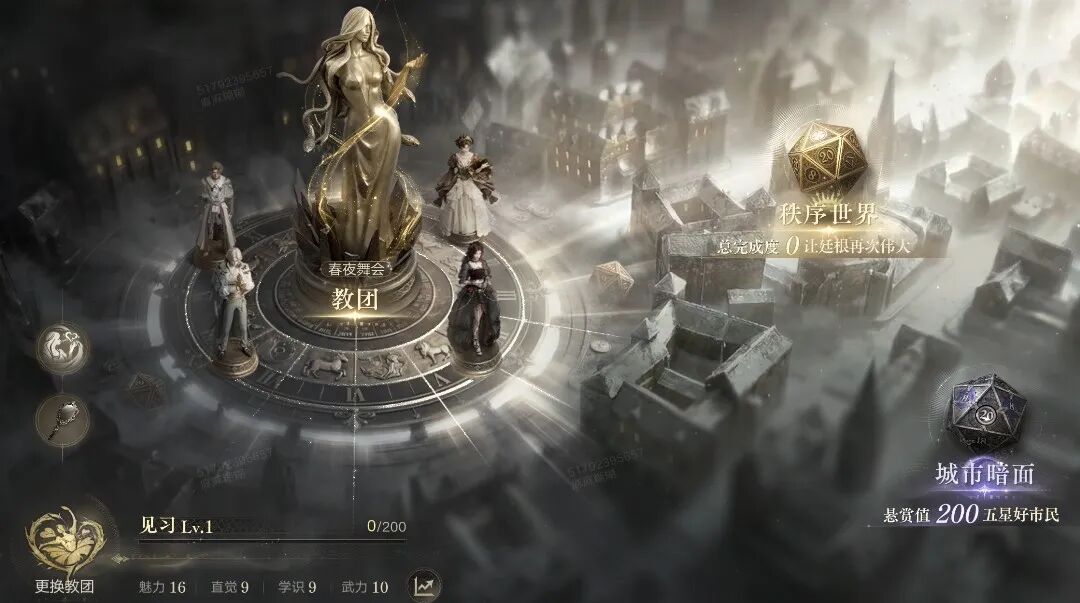
The most important value of Gray Fog Test is that it shows the Lord of Mysteries world in a near-finished state. The game's world is described through the official phrase 'European-style ancient mysticism': Victorian and steampunk texture on one side, and nameless, unsettling occult strangeness on the other.
During the day, city scenes can feel lively, soft, warm, and romantic. At night, the red moon rises, coldness and madness spread through the shadows, and disorder begins to grow. This day-night contrast is one of the clearest ways the game expresses the IP.
Different scenes carry different narrative functions. In the normal sunny world, players can walk, take screenshots, and listen to street gossip. In the darker Sin Tingen, players can seize vehicles, crash through masonry and buildings, and use guns to clear contamination and Loss of Control hidden in the dark.

Tabletop-Style Exploration, SAN, and Acting Method
One scene in the third chapter suddenly turns silent under strong sunlight: people freeze, some disappear, and the rest turn toward the player with empty eyes. It is not conventional horror, but it creates a hard-to-describe uncanny feeling.
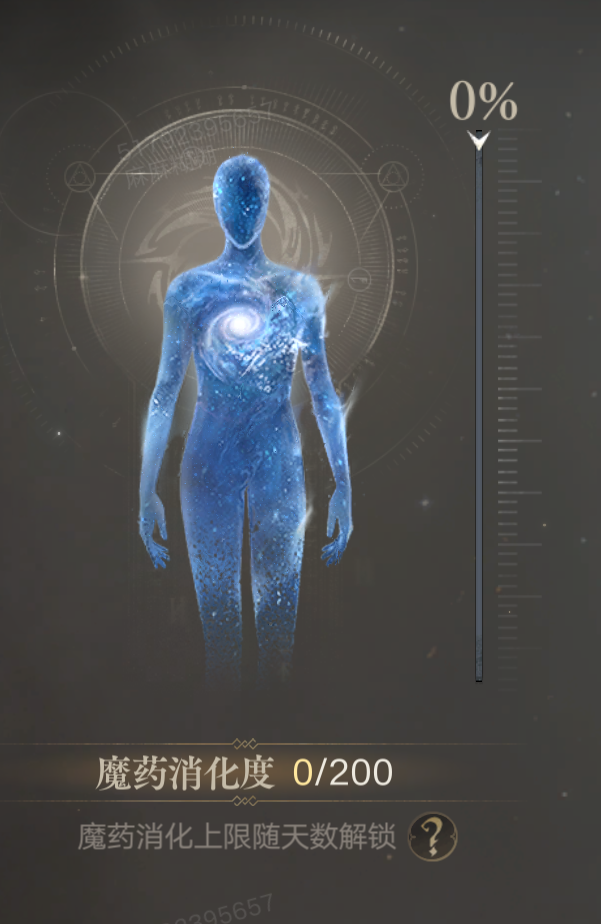
Exploration also includes a tabletop-RPG-like system. Story development, exploration, and social actions may involve dice checks that affect event outcomes. Characters also have contamination or SAN-related values; when SAN falls too low, it can affect attributes and even external screen presentation such as camera shake.
The Acting Method is also central. In the novel, advancing a Sequence requires more than drinking Potions; one must act the role to digest the Potion and avoid being swallowed by chaos or madness. In the game, Acting Method routes include combat, non-combat, social, and solo choices, so players can choose growth paths instead of being forced into one style.



Side Stories and IP Understanding
The strongest personal impression comes from side quests. Old Neil's Loss of Control in the novel is an early emotional climax and sets the tone for the famous line about guardians also being pitiful people constantly fighting danger and madness.
In the game, the Old Neil side story uses Neil and his fiancee as the main viewpoint. It does more than trigger memory; through writing, performance, and interactive structure, it fills in parts of the original story and helps players understand how Neil fell in love, changed, and eventually sank into the abyss.
Other side stories, including Dunn and Daly as well as Roselle and the Demoness, reach a similar quality. For many readers, future memories of Lord of Mysteries characters may include the game versions of those characters.
Conclusion: A Difficult IP Trying to Prove MMO's Ceiling
A recent interview with Cuttlefish That Loves Diving, the author of the original novel, lands on a similar conclusion: players should try the game without too much prejudice or pressure.
The game chose an extremely difficult but very popular IP. Its central problem is balance: satisfy original-novel fans while still making a playable game. The current result attempts to hold both sides of the scale, dividing content into combat, exploration, leisure, and other sections, while also running a present-player main route in parallel with a past original-novel route.
The final argument is that Lord of Mysteries does not avoid being an MMO. It uses a special IP to ask where the ceiling of the genre might be. Gray Fog Test is only the beginning; the season model, multiplayer ecosystem, future Pathways, and continued worldbuilding still need time to prove themselves, but players can now witness a Lord of Mysteries world built with more than text.